


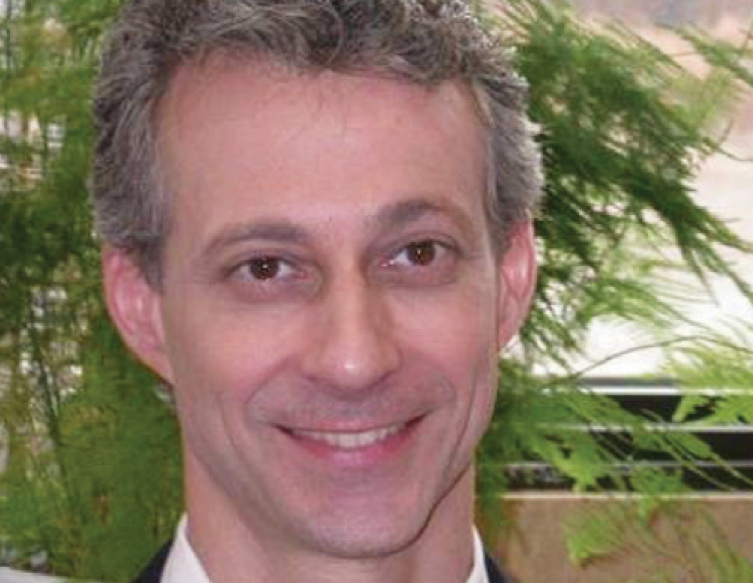
Dr. Jonathan Richter DDS, FAGD
“With our mouth we eat and drink what sustains us. With it, we communicate ideas and feelings to the world through speech or a simple smile. It allows us to taste the nuance of a fine wine, the sweetness of a freshly picked berry, or mustard-covered hot dog at the ballpark. Love or passion is expressed by it when we kiss a loved one or child. When cancer affects our mouths, it does more than take away these everyday functions, it too often takes our lives.” This quote, found on the Oral Cancer Foundation’s website, illustrates the truly devastating nature of oral cancer. What people can do is be aware because early detection saves lives.
With early detection and timely treatment, deaths from oral cancer could be dramatically reduced. “The five-year survival rate for those with localized disease at diagnosis is 83 percent compared with only 32 percent for those whose cancer has spread to other parts of the body,” says Dr. Jonathan Richter. “Early detection of oral cancer is often possible. Tissue changes in the mouth that might signal the beginnings of cancer often can be seen and felt easily.” This is why for the month of April, Richter is offering a free oral cancer screening at his Cardiodontal office, in Great Neck.
According to Richter, lesions that could be precursors to cancer are leukoplakia (white lesions) and erythroplakia (red lesions). Although less common than leukoplakia, erythroplakia and lesions with erythroplakia components have a much greater potential for becoming cancerous. “Any white or red lesion that does not resolve itself in two weeks should be re-evaluated and considered for biopsy to obtain a definitive diagnosis,” says Richter.
Other possible signs and symptoms, explains Richter, include a lump or thickening in the oral soft tissues; soreness or a feeling that something is caught in the throat; difficulty chewing or swallowing; ear pain; difficulty moving the jaw or tongue; hoarseness; numbness of the tongue or other areas of the mouth; or swelling of the jaw that causes dentures to fit poorly or become uncomfortable.
“If these problems persist for more than two weeks, a thorough clinical examination and laboratory tests, as necessary, should be performed to obtain a definitive diagnosis,” says Richter. “If a diagnosis cannot be obtained, referral to the appropriate specialist is indicated.”
Cardiodontal is located at 310 E. Shore Rd., Ste. 101, Great Neck. To make an appointment with Jonathan Richter, DDS, FAGD, for a free oral cancer screening or for any other dental needs, call 516-282-0310.